
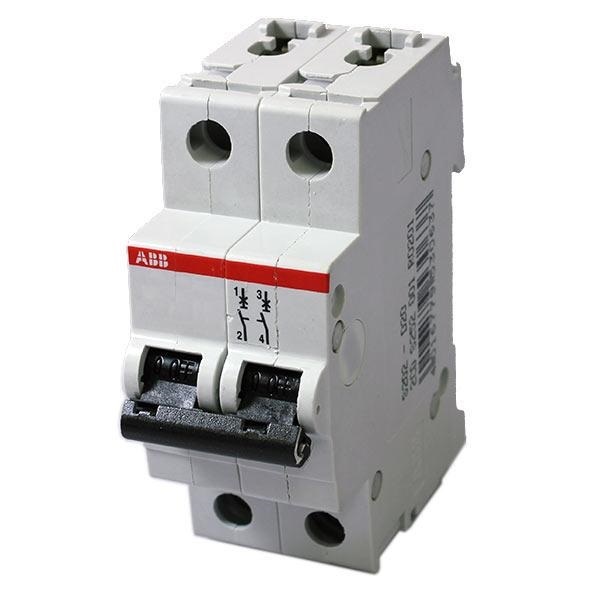
Miniature Circuit Breaker
The MCB Standard
A compact electrical protection device that automatically disconnects circuits upon sensing a fault.
Utilizing a dual-trip mechanism, the thermal element safeguards against sustained overloads, while the magnetic component provides a rapid response to short circuits.
MCB stands for Miniature Circuit Breaker. It refers to a small electrical protection device that automatically disconnects circuits upon sensing a fault. The breaker derives its name from its compact design. A conventional MCB utilizes a dual-trip mechanism: thermal and magnetic. The thermal element safeguards against sustained overloads, while the magnetic component provides a rapid response to transient faults notably short circuits. Modern variants may also integrate smart modules, employing IoT connectivity for remote status monitoring and real-time data transmission.
Smart Integration
Modern variants may integrate smart modules with IoT connectivity for remote status monitoring and real-time data transmission.
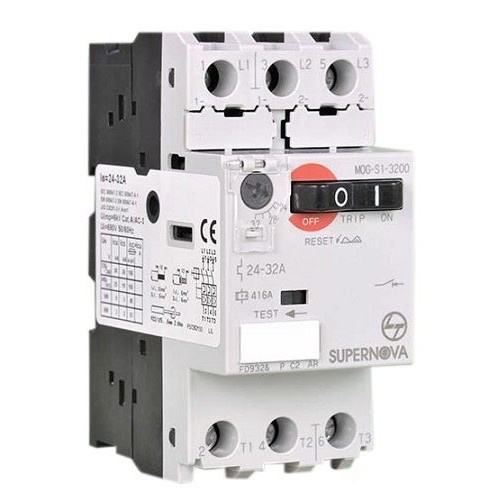
Motor Protection Circuit Breaker
The MPCB Specialist
Specifically designed for electric motors, combining protection and control in a single unit.
You can use it to turn the motor on and off directly, eliminating the need for extra relays and contactors. These devices allow users to calibrate settings—specifically the rated current—to match the motor’s exact nameplate data.
MPCB is short for Motor Protection Circuit Breaker. It means a type of breaker specifically designed for electric motors. It connects to the motor starter circuit, safeguarding its operation. The breaker comes in a compact unit that combines motor protection and control in a single device. In other words, you can also use it to turn the motor on and off instead of relying on relays and contactors. Like regular breakers, MPCBs also use thermal and magnetic elements to disconnect power during faults. They work by sensing abnormal conditions that could cause damage and responding accordingly. These devices are highly versatile, allowing users to calibrate settings—specifically the rated current—to match the motor’s exact nameplate data.
- Optimized for Motor Inrush Currents
- Thermal & Magnetic Fault Sensing
- Compact Motor Starter Integration
Technical Comparison
Understanding the differences in protection capabilities
Application Focus
MCBs: protect power distribution circuits, making them widely applicable. You’ll usually find them in the electrical systems of homes, commercial buildings, and some industrial settings.
MPCBs: specialized breakers for motors. They handle inrush currents without tripping. Using them instead of general breakers helps prevent motor damage and costly repairs or frequent downtimes.
Tripping Characteristics
MCBs: Highly sensitive; trips quickly if fault current is high, such as during motor starting.
MPCBs: Built for higher fault currents; won't trip quickly during inrush, following a different tripping curve.
Breaking Capacity
MCBs: Ranges from 6 kA to 25 kA. Protects milder loads like appliances and lighting.
MPCBs: Usually higher, reaching up to 100 kA to handle heavy-duty starting motor loads.
Cost Difference
MCBs: Cheaper, general-purpose electrical safety devices for residential and commercial use.
MPCBs: More expensive due to specialized nature and additional motor-specific capabilities.
Protection Scope
MCBs: offer overload and short-circuit protection. Their loads range from home appliances to office equipment and lighting systems. They are not designed for heavy motor-starting currents and will trip if exposed to them.
MPCBs: provide additional protection besides safeguarding against overload and short circuits. The protection includes safety against phase imbalance or loss. This capability is crucial for 3-phase motors.
Fixed vs. Adjustable Settings
MCBs: lack the adjustability of motor protection breakers. That means you can only choose a miniature breaker that closely matches the circuits you intend to protect, making proper selection crucial.
MPCBs: offer adjustable settings. They come with a knob that lets you tune the trip current to match a motor’s rating. Adjustable MPCBs cost more, but they are more versatile and highly precise.